


Tight Tolerances Need More Than a Precision Injection Molding Quote
A quotation showing tight dimensional tolerances may look attractive to an automotive component buyer, but the figures alone cannot confirm whether a molded part will meet its functional requirements. Resin shrinkage, component geometry, mold construction, cooling conditions, and measurement methods all influence the final result. At Dongke, we believe a reliable quotation should explain the engineering assumptions behind precision requirements rather than simply list dimensional figures and tooling costs.
Projects involving high precision injection molding require coordination between product design, mold engineering, material selection, and quality inspection. Our quotation review process considers these factors together so that customers can understand the technical scope before committing to tooling development.
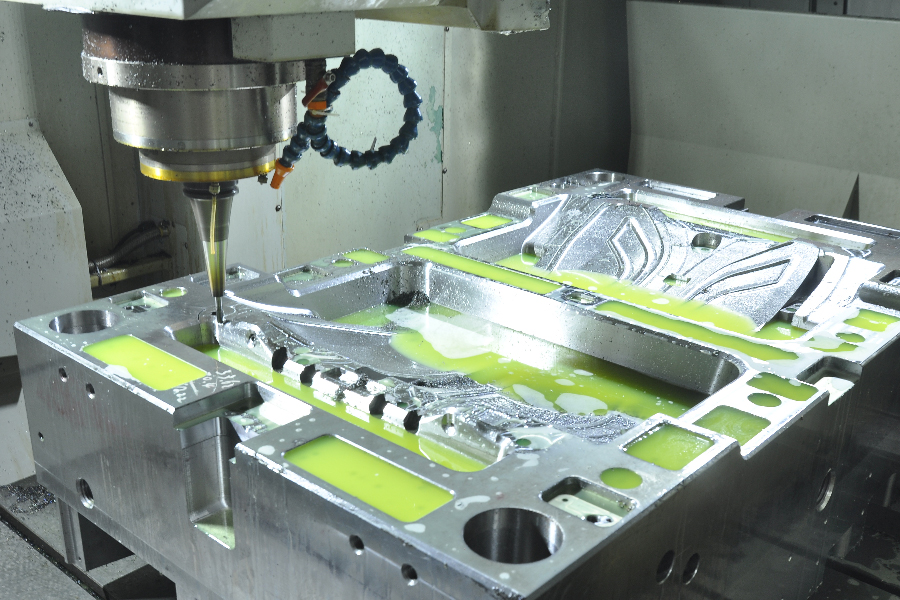
1. Differentiate Critical Dimensions from General Tolerances
Not every dimension on an automotive plastic component has the same functional importance. A mounting hole, sealing interface, or connector position may require closer dimensional control than an internal reinforcing rib or non-functional surface.
During drawing evaluation, we recommend identifying critical-to-quality (CTQ) dimensions and reviewing their relationships with surrounding components.
- Assembly dimensions: Mounting holes, locating pins, and mating surfaces that affect component installation.
- Functional dimensions: Features associated with sealing, movement, electrical connections, or mechanical engagement.
- General dimensions: Non-critical measurements that may allow broader tolerances.
- Appearance requirements: Surface areas where deformation, sink marks, or visible defects may affect acceptance.
This classification helps us evaluate the appropriate tooling and inspection arrangements. Applying unnecessarily tight tolerances to every feature can increase machining and inspection costs without providing additional functional value.
2. Material Shrinkage Must Be Included in the Quotation
Plastic materials behave differently during cooling and solidification. Their shrinkage characteristics depend on resin composition, reinforcement, wall thickness, processing conditions, and part geometry. These factors need consideration during mold design.
Common automotive injection molding materials include:
- ABS: Used in interior trim and housing applications where appearance and dimensional consistency are relevant.
- PP: Commonly applied to automotive trim and structural plastic components, with shrinkage behavior influenced by material grade and geometry.
- PA6 and PA66: Used in functional components requiring mechanical strength and thermal resistance. Moisture absorption and glass-fiber content can influence dimensional stability.
- POM: Applied to certain precision mechanical components requiring dimensional control and sliding performance.
Our engineering team needs the exact resin grade and relevant material specifications to evaluate shrinkage assumptions. A quotation based on unconfirmed material information may require revision after the customer approves the actual resin.
3. Mold Construction Influences Dimensional Stability
A precision injection mold requires more than accurate machining. Its structural design and component arrangement also influence the consistency of molded parts.
Several tooling details deserve attention during quotation review:
- Mold steel: Steel grade and heat treatment should match the required tooling application and expected production conditions.
- Cooling channels: Their layout affects heat distribution and cooling consistency across the mold.
- Gate location: Gate design influences material flow, packing behavior, and potential weld-line positions.
- Guiding components: Guide pins, bushings, and locating structures support accurate mold alignment.
- Ejection design: Ejector pins and related structures should release molded parts without unnecessary deformation.
For example, a plastic housing with several mounting bosses and uneven wall thickness may experience different cooling rates across its structure. Mold layout and cooling arrangements should account for these geometric characteristics rather than relying on machining precision alone.
4. Inspection Methods Should Match the Required Tolerance
A supplier's inspection equipment list does not automatically demonstrate the ability to verify every critical feature. The measurement method needs to match the geometry, tolerance range, and functional purpose of the dimension.
At Dongke, we recommend discussing the inspection scope before finalizing a precision molding quotation.
- Coordinate Measuring Machine (CMM): Suitable for evaluating various dimensional and positional characteristics against defined datums.
- Optical measurement: Useful for small features, profiles, and dimensions that are difficult to access with conventional contact instruments.
- Digital calipers and micrometers: Appropriate for specified accessible dimensions, subject to instrument accuracy and inspection requirements.
- Functional gauges: Helpful for checking assembly interfaces and dimensional relationships under defined conditions.
Measurement conditions also matter. Temperature, sample conditioning, fixture arrangement, and measurement location can influence reported results. A clear inspection plan should identify these conditions and establish the acceptance criteria.
5. Compare Quotations by Technical Scope, Not Just Price
Two suppliers may quote different prices for the same component because their technical assumptions are not identical. One proposal may include detailed dimensional inspection and additional mold adjustments, while another covers only standard sampling and general quality checks.
We suggest comparing the following quotation details:
- Mold structure, cavity count, steel specifications, and tooling configuration.
- Approved resin grade and material substitution conditions.
- Critical dimension inspection and sample documentation scope.
- Trial arrangements and responsibilities for tooling corrections.
- Expected production volume and related process assumptions.
- Additional costs associated with special gauges, testing, and secondary machining.
Buyers should also confirm whether dimensional capability studies, FAI reports, or PPAP documentation are included or quoted separately. These requirements can influence the overall project budget and approval schedule.
6. What Should Buyers Prepare Before Requesting a Quote?
Accurate project information allows our engineering team to evaluate tooling requirements with fewer commercial and technical assumptions.
We recommend preparing:
- Updated 2D drawings and 3D CAD files.
- Resin grade, color, and material performance requirements.
- Critical dimensions and relevant tolerance specifications.
- Assembly drawings or mating component information.
- Expected annual demand and production conditions.
- Inspection standards and customer approval requirements.
These details help us assess moldability, identify potential dimensional risks, and establish a quotation that reflects the actual engineering workload.
A Precision Quote Should Explain Its Technical Basis
Tight tolerances require coordinated decisions across material selection, mold construction, injection conditions, and dimensional inspection. A competitive quotation should therefore provide more than a price and a list of precision figures.
At Dongke, we approach automotive injection mold development through engineering review and project-specific technical communication. By evaluating drawings, resin specifications, critical dimensions, and inspection expectations before tooling begins, we can establish a clearer manufacturing plan for each customer. Contact our team through dkmoulds.com to discuss your precision injection molding project and request a quotation based on your actual component requirements.


 +86-13736290790

 A14-1, 1st Floor, Building 1, No.118 Zhenwen Road, Xinqian Subdistrict, Huangyan District, Taizhou City, Zhejiang Province
