


Before Tooling Approval, Which Design Revisions Need Sign-Off
Automotive mold projects often involve several rounds of engineering review before manufacturing begins. Adjustments to component geometry, material specifications, mounting points, or surface finishes may appear straightforward, but each revision can affect mold construction, production feasibility, and sample acceptance. Approving tooling without resolving these changes can create additional costs and uncertainty during later development stages.
At Dongke, we encourage customers to establish a clear design approval process before committing to mold manufacturing. Our engineering team needs a consistent set of product requirements to assess the proposed mold structure, machining scope, and inspection criteria. Formal sign-off also helps distinguish approved requirements from suggestions that still need technical evaluation.
Our approach to Custom Automotive Mold Design emphasizes documented decisions, controlled drawing revisions, and agreement on technical responsibilities before tooling work proceeds.
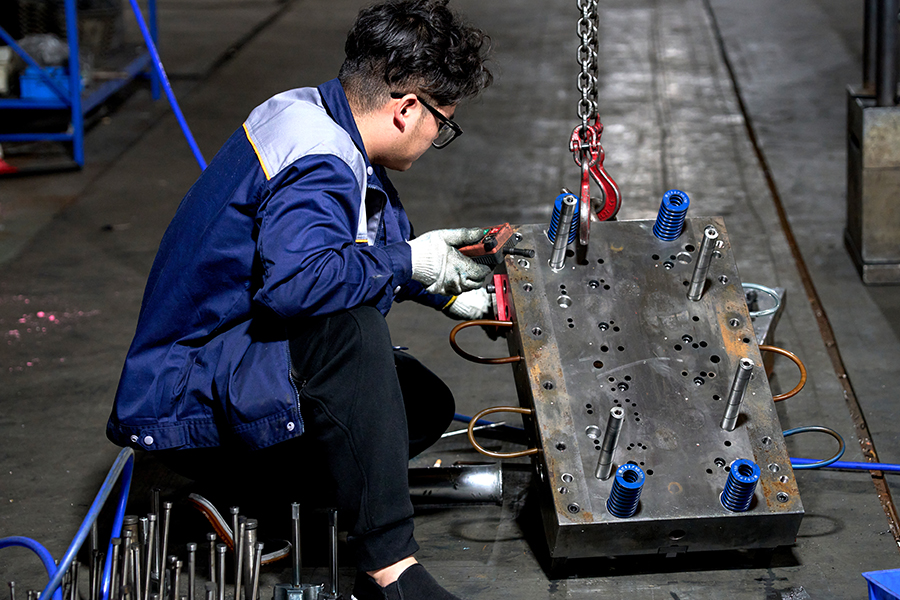
1. Confirm Changes to Product Geometry
Geometry revisions deserve careful review because they can affect the physical structure of the mold. Changes to a mounting hole may require a localized insert modification, while adjustments to a curved panel, snap-fit feature, or undercut can involve more extensive engineering work.
Before approving a revised design, our team recommends checking:
- Critical dimensions: Verify revised measurements, datum references, and tolerances against the latest engineering drawing.
- Wall thickness: Review changes that may influence shrinkage, sink marks, or warpage.
- Draft angles: Confirm that the updated geometry still supports reliable part release.
- Assembly interfaces: Check mounting holes, clips, bosses, and mating surfaces against adjacent components.
- Undercuts: Determine whether revised features require changes to sliders, lifters, or other mold mechanisms.
Customer approval should be documented whenever a revision changes agreed product requirements. Dongke can then assess the tooling implications and identify which dimensions or functions require renewed verification.
2. Obtain Approval for Material and Surface Changes
Material and appearance requirements can influence mold design just as significantly as dimensional changes. Automotive interior panels, decorative trims, and functional plastic housings may have different expectations for color consistency, gloss, texture, and visible molding marks.
Buyers should request a formal review of changes involving:
- Resin grade, glass-fiber content, or other material characteristics.
- Color specifications, additives, and approved material suppliers.
- Surface texture, polishing requirements, and visible gate locations.
- Flame-retardant or other application-specific material requirements, where applicable.
A material substitution may change shrinkage behavior and molding conditions. A new surface texture can require additional mold finishing or texturing work. We recommend recording the revised specification and identifying any additional testing or sample approval required before the change is released.
3. Review Mold Structure Changes Before Machining
Some revisions affect the mold rather than the product drawing alone. Changes to the gate location, parting line, cooling channels, cavity arrangement, or ejection system can influence manufacturing scope and subsequent molding performance.
Before authorizing these modifications, buyers should confirm the following details with their tooling supplier:
- Gate and runner layout: Assess possible effects on filling, weld lines, and visible gate marks.
- Cooling design: Review whether revised geometry requires changes to cooling-channel placement.
- Core and cavity modifications: Establish whether existing steel can be reworked or replacement components are necessary.
- Machine compatibility: Recheck relevant mold dimensions and machine interfaces if the proposed structure changes substantially.
At Dongke, we recommend resolving significant tooling design questions before machining reaches an irreversible stage. Buyers should receive a clear explanation of the proposed modification, its technical purpose, and its potential cost and schedule implications.
4. Use a Formal Revision Approval Process
An updated CAD file does not automatically authorize manufacturing changes. Engineering, purchasing, tooling, and quality teams need to know which revision is approved and which requirements remain unchanged.
A practical revision approval record should contain:
- Project name, part number, drawing number, and current revision identifier.
- A description of the requested change and the reason for it.
- Marked drawings or CAD comparisons identifying the affected features.
- An assessment of tooling cost, project schedule, and validation requirements.
- Names or roles of the authorized reviewers and documented approval dates.
- Confirmation of which documents and manufacturing activities must be updated.
For example, a customer may request a change to a dashboard mounting clip after mold design approval. The engineering team should review the revised dimensions, confirm compatibility with the mating component, assess the affected mold feature, and document the required inspection. Machining should proceed under the authorized revision rather than an informal email attachment.
5. Define Which Changes Require New Sample Approval
Not every document correction requires another molding trial. The necessary verification depends on whether the change affects product geometry, tooling configuration, appearance, function, or previously accepted inspection results.
| Revision Type | Typical Review or Approval Requirement |
| Typographical correction without technical impact | Document control review and confirmation of no change to the released requirements |
| Critical dimension or mounting feature change | Engineering approval, dimensional inspection, and fit verification as applicable |
| Material grade substitution | Material approval and assessment of molding and product validation requirements |
| Visible texture or gloss change | Appearance review and approval of representative samples |
| Gate, cooling, or ejection modification | Tooling review, trial assessment, and additional verification where necessary |
Buyers should agree on acceptance criteria before testing begins. Inspection reports, sample identification, photographs, and written approval provide traceable evidence that the revised design meets the specified requirements.
6. Protect the Project Schedule and Commercial Agreement
Late design changes can require additional engineering, steel modification, replacement components, or new sample inspections. The schedule impact depends on the affected features, current manufacturing stage, and availability of materials and equipment.
Our recommended project controls include:
- Maintain a single approved drawing revision for each manufacturing release.
- Request written estimates for additional tooling work before authorizing it.
- Separate corrections against the original specification from customer-requested design changes.
- Update inspection plans and sample approval records after relevant revisions.
- Record revised milestones and responsibilities whenever a change affects the agreed schedule.
This process helps Dongke and our customers maintain a shared understanding of technical requirements, commercial responsibilities, and remaining approval tasks.
Approve the Right Revision Before Tooling Release
Design revisions involving geometry, material, surface appearance, mold structure, or critical interfaces should receive an appropriate technical review before implementation. Clear approval records and defined sample acceptance criteria help prevent outdated instructions, avoidable rework, and disputes over project responsibilities.
At Dongke, we encourage automotive buyers to provide current CAD files, engineering drawings, material specifications, and inspection requirements at the beginning of a tooling project. Our team can review the available information, discuss potential manufacturing implications, and clarify the approvals needed before the next development stage.
Contact Dongke to discuss your automotive mold requirements and establish a documented design review process for your upcoming project.


 +86-13736290790

 A14-1, 1st Floor, Building 1, No.118 Zhenwen Road, Xinqian Subdistrict, Huangyan District, Taizhou City, Zhejiang Province
