


TaiZhou Automotive Mould: What Should Buyers Verify Before Ordering
Ordering an automotive mold involves more than approving a quotation and sending a purchase order. Buyers need to understand how the mold will be designed, manufactured, tested, and accepted before committing their tooling budget. Unclear technical requirements, incomplete documentation, or undefined acceptance standards can create disputes during development and production.
At Dongke, we believe a well-organized tooling project starts with clear communication between the buyer and our engineering team. As an automotive mold manufacturer, we encourage customers to review the technical scope, commercial terms, and quality requirements before production begins. Working through these details early helps both parties establish realistic expectations and a practical project plan.
Before placing an order with a TaiZhou Automotive Mould supplier, buyers can use the following checklist to evaluate whether the proposed tooling solution matches their product requirements and business objectives.
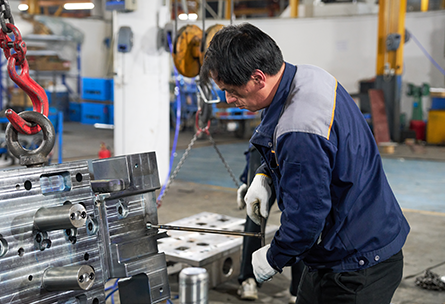
1. Confirm the Supplier's Automotive Mold Experience
Automotive components vary considerably in geometry, appearance, assembly requirements, and operating conditions. A mold for a dashboard trim panel requires different considerations from a tool designed for a sensor housing, bumper component, or interior fastening part. Buyers should examine whether a supplier understands the specific demands of their application.
At Dongke, we recommend discussing the following points during the initial technical review:
- Relevant experience with comparable automotive components and mold structures.
- Engineering support for product drawings, three-dimensional models, and design revisions.
- Available machining, mold assembly, inspection, and trial capabilities.
- Experience handling appearance requirements, dimensional tolerances, and assembly interfaces.
- Procedures for recording technical changes and communicating project progress.
Rather than relying solely on a general company introduction, buyers should request relevant project examples or technical records that the supplier is authorized to share. These materials provide a clearer basis for evaluating engineering suitability.
2. Review Product Drawings and Design Requirements
Incomplete product information can affect mold structure, machining plans, and the accuracy of the quotation. Before approving a project, buyers should prepare a consistent technical package that explains the intended component and its functional requirements.
Our engineering discussions should cover the following information wherever applicable:
- 3D CAD data: A STEP file or another agreed format helps communicate the component's geometry and interfaces.
- 2D engineering drawings: Drawings should identify critical dimensions, geometric tolerances, and inspection references.
- Material specifications: Identify the resin grade, reinforcement, color, and any required material certifications.
- Surface requirements: Define texture, gloss, grain direction, visible defects, and other appearance criteria as relevant.
- Assembly information: Include mating components, clips, fasteners, sealing interfaces, and fit requirements.
Buyers should also confirm the drawing revision that governs the project. A dated revision identifier helps Dongke and the customer work from the same design baseline. Any later change to wall thickness, hole position, snap-fit geometry, or surface texture should be reviewed for its possible effect on the mold structure and project cost.
3. Ask for a Design for Manufacturability Review
A product model may satisfy the designer's intended shape without being ready for injection mold manufacturing. A design for manufacturability (DFM) review helps identify potential production issues before mold machining begins.
Depending on the component, our technical review can address several important design considerations:
- Wall thickness: Uneven sections may contribute to differential shrinkage, sink marks, or warpage.
- Draft angles: Suitable draft supports part release and helps reduce drag marks or sticking during ejection.
- Gate placement: Gate position affects filling behavior, weld-line locations, and the appearance of visible surfaces.
- Ribs and bosses: Their geometry should balance structural requirements with molding considerations.
- Undercuts and side actions: Features that prevent straight ejection may require sliders, lifters, or alternative design solutions.
- Cooling layout: Cooling-channel design influences temperature distribution, cycle conditions, and part consistency.
The appropriate solution depends on the component geometry, resin behavior, cosmetic standards, and production requirements. Mold-flow simulation may also be worth discussing for complex parts or projects with substantial filling and warpage risks. Buyers should request an explanation of identified concerns and agree on any necessary design changes before authorizing tooling manufacture.
4. Examine the Mold Specification and Technical Parameters
A quotation should describe the proposed mold clearly enough for both parties to understand what will be manufactured. A unit price or general statement about custom tooling does not provide sufficient detail for a technical purchasing decision.
At Dongke, we recommend defining the relevant parameters according to the individual project rather than applying identical specifications to every automotive component.
| Specification | Details to Confirm |
| Mold structure | Single-cavity or multi-cavity arrangement, parting line, sliders, and lifters |
| Mold material | Steel grade, hardness requirements, and treatment specifications where applicable |
| Tool dimensions | Overall mold dimensions, weight, and available machine space |
| Injection machine | Required clamping force, platen dimensions, opening stroke, and injection capacity |
| Injection system | Cold runner or hot runner, gate type, and relevant connection requirements |
| Cooling system | Channel layout, connection locations, and cooling-medium requirements |
| Expected tool life | Target shot count, operating assumptions, and maintenance conditions |
| Inspection criteria | Critical dimensions, surface standards, fit requirements, and reporting format |
Technical values should be established from the actual part and production plan. For example, a target of 500,000 shots may be appropriate for a particular program, but it should not be treated as a universal mold-life specification. The agreed resin, tool steel, maintenance conditions, molding process, and component design all influence service life.
5. Compare the Complete Mold Quotation
Two tooling quotations may appear similar while covering different engineering work, mold components, or acceptance services. Comparing only the total price can conceal important differences in project scope.
Our recommendation is to request an itemized quotation that addresses the following commercial details:
- Mold design, engineering review, and manufacturing scope.
- Specified mold steel, purchased components, and hot-runner systems where applicable.
- Included mold trials, sample parts, and dimensional inspection activities.
- Number and scope of design modifications or corrective actions included in the agreement.
- Additional charges for customer-requested revisions or changes outside the approved design.
- Payment milestones, project schedule, shipping arrangements, and documentation deliverables.
Buyers should also distinguish between corrections needed to meet the original agreed specification and new requirements introduced after design approval. The commercial treatment of these situations should be documented before work begins.
At Dongke, we encourage customers to clarify open questions during quotation review rather than relying on assumptions about what the quoted amount covers. This approach makes supplier comparisons more meaningful and supports clearer budget planning.
6. Define Mold Trial and Sample Acceptance Criteria
A completed mold does not automatically mean that every molded component meets the customer's requirements. Trial molding provides evidence about filling behavior, ejection, dimensional accuracy, appearance, and assembly performance under the agreed test conditions.
Before the trial stage, buyers should establish a written acceptance plan covering:
- Material verification: Confirm the specified resin grade, color, and relevant material documentation.
- Dimensional inspection: Measure critical features against the approved drawing using suitable instruments and methods.
- Appearance assessment: Check flash, sink marks, short shots, burn marks, weld lines, and other defects against agreed standards.
- Assembly verification: Test fit with mating components, fastening features, and functional interfaces where required.
- Process records: Record relevant molding conditions and trial observations to support subsequent investigation.
- Corrective-action tracking: Identify open issues, assigned responsibilities, and the criteria for the next approval stage.
Acceptance should be based on measurable requirements rather than a general statement that the samples look acceptable. A dimensional report, defect photographs, and signed sample approval record can provide a shared reference for subsequent production decisions.
7. Clarify Mold Ownership and Documentation Rights
Automotive tooling represents a substantial project asset. Buyers should establish ownership and access rights before paying for custom mold development, particularly when the tool is dedicated to a specific component or customer program.
Our suggested contract review covers these points:
- The ownership status of the mold base, core and cavity inserts, dedicated components, and agreed spare parts.
- The payment or acceptance milestone at which ownership transfers, subject to the written agreement.
- Access to agreed product CAD files, mold drawings, bills of materials, and modification records.
- Responsibilities for mold storage, routine care, major repairs, and replacement components.
- Conditions for transferring the mold to another qualified manufacturing facility.
- Confidentiality provisions and restrictions on unauthorized use of customer-specific designs.
Physical mold ownership and engineering-data rights are related but separate matters. A contract should explain which files will be delivered and which supplier-developed elements remain subject to separate terms. Clear documentation protects both parties and makes future program changes easier to manage.
8. Evaluate Communication and Project Management
Technical capability matters, but buyers also need a clear process for handling questions, approvals, and unexpected findings. Communication gaps can create uncertainty even when the manufacturing plan is technically sound.
Before placing the order, ask how the project will be managed:
- Who will serve as the main contact for engineering and commercial questions?
- How will design approvals and drawing revisions be recorded?
- What information will be included in progress updates?
- How will the supplier report a technical issue that affects the agreed schedule or budget?
- Who has authority to approve additional machining, design changes, or trial corrections?
At Dongke, we view clear responsibilities and documented decisions as important parts of a professional tooling relationship. Buyers should establish a communication schedule that suits the project's complexity and maintain a record of approvals throughout development.
Buyer Checklist Before Approving an Automotive Mold Order
Use this summary to review the purchasing decision with your engineering, quality, and sourcing teams.
- Confirm the supplier's relevant automotive tooling experience and manufacturing capabilities.
- Approve the product model, engineering drawings, material grade, and revision number.
- Review DFM findings and agree on design changes before mold construction.
- Document mold structure, steel specifications, machine compatibility, and target service life.
- Compare quotations by scope, included trials, revision terms, and deliverables.
- Define dimensional, cosmetic, functional, and sample acceptance requirements.
- Confirm mold ownership, engineering-data access, storage responsibilities, and transfer rights.
- Assign approval responsibilities and establish a documented project communication process.
Build a Clear Basis for Your Tooling Decision
Successful automotive mold procurement depends on more than the quoted price or a supplier's general manufacturing claims. Technical compatibility, design review, transparent commercial terms, documented sample acceptance, and clear ownership arrangements all deserve attention before an order is approved.
At Dongke, we encourage automotive buyers to share their product drawings, material requirements, production expectations, and inspection standards during the initial discussion. Our team can use the available project information to review the proposed tooling scope, identify questions requiring clarification, and discuss a suitable manufacturing approach.
Planning a new automotive mold project? Contact Dongke to discuss your component requirements and arrange a technical review. A clear specification and a shared approval process provide a practical starting point for building a productive manufacturing partnership.


 +86-13736290790

 A14-1, 1st Floor, Building 1, No.118 Zhenwen Road, Xinqian Subdistrict, Huangyan District, Taizhou City, Zhejiang Province
